SLS100X — SGATE
Optimizing cross-border logistics — replacing manual, phone-based freight booking with a multi-provider, credit-backed self-serve platform.
Overview
The client — a logistics service provider with an established manual operation — asked us to build a self-serve platform from zero. Every booking ran through phone or e-mail: a coordinator negotiated with providers, paperwork moved by fax and courier, and payment landed weeks after delivery on a credit cycle. It worked only because a handful of people held its logic in their heads. Everything that made the operation trustworthy — human coordination, flexible payment, tacit knowledge of regulations — had to be encoded into a product without becoming an obstacle course.
What the product had to do
- Move booking, tracking and reconciliation to a self-serve interface.
- Onboard multiple service providers under one roof so customers could compare routes and rates.
- Preserve the industry’s credit-based payment model instead of forcing prepaid transactions that would kill enterprise adoption.
- Scale across land, water and air freight without a rebuild.
Booking the first shipment
There was no product to test, no analytics to mine, no user pool to survey. Designing screens from the brief alone would have produced a plausible-looking product built on wrong assumptions. I framed the research into three tracks: field observation, competitive teardown, and user segmentation.
How things actually move
A day shadowing a booking counter and a sorting supervisor at a distribution centre was worth more than a week of reading. I followed a live shipment end-to-end — booking, documentation, weight verification, tariff calculation, dispatch, reconciliation — and photographed every form a customer had to fill.
Revelations from the field
- Documents vary by shipment class — a personal parcel is one form, a commercial shipment can be five. No customer knows this upfront.
- Tariff isn’t a lookup: it’s derived from weight, dimensions, destination class, service level, insurance and fuel surcharge, calculated live at the counter.
- Payment is deferred by default for regulars; the counter runs on credit. Cash bookings are the exception, not the rule.
- The counter is a translator — staff convert ordinary language into shipping codes, HS codes and declarations.
Learning from competitors
Shiprocket got the multi-carrier model right but priced out enterprise with wallet-first, prepaid payments and heavy KYC onboarding. FedEx got the enterprise workflow and document generation right but couldn’t aggregate, and rewarded expertise while punishing newcomers. SLS100X had to sit in the space neither addressed: multi-provider + credit-backed + guided.
Testing
Eight unmoderated task-based tests across three rounds, each running a booking scenario written from a real customer situation. 80% task completion without assistance on round one. Confusion clustered on the declaration screen — testers didn’t know what "commercial value" meant on a personal shipment — fixed with plain-language help text and a "for personal use" toggle. The guided tour lifted first-booking completion but slowed experts, so it became dismissible and remembered the dismissal.
The design
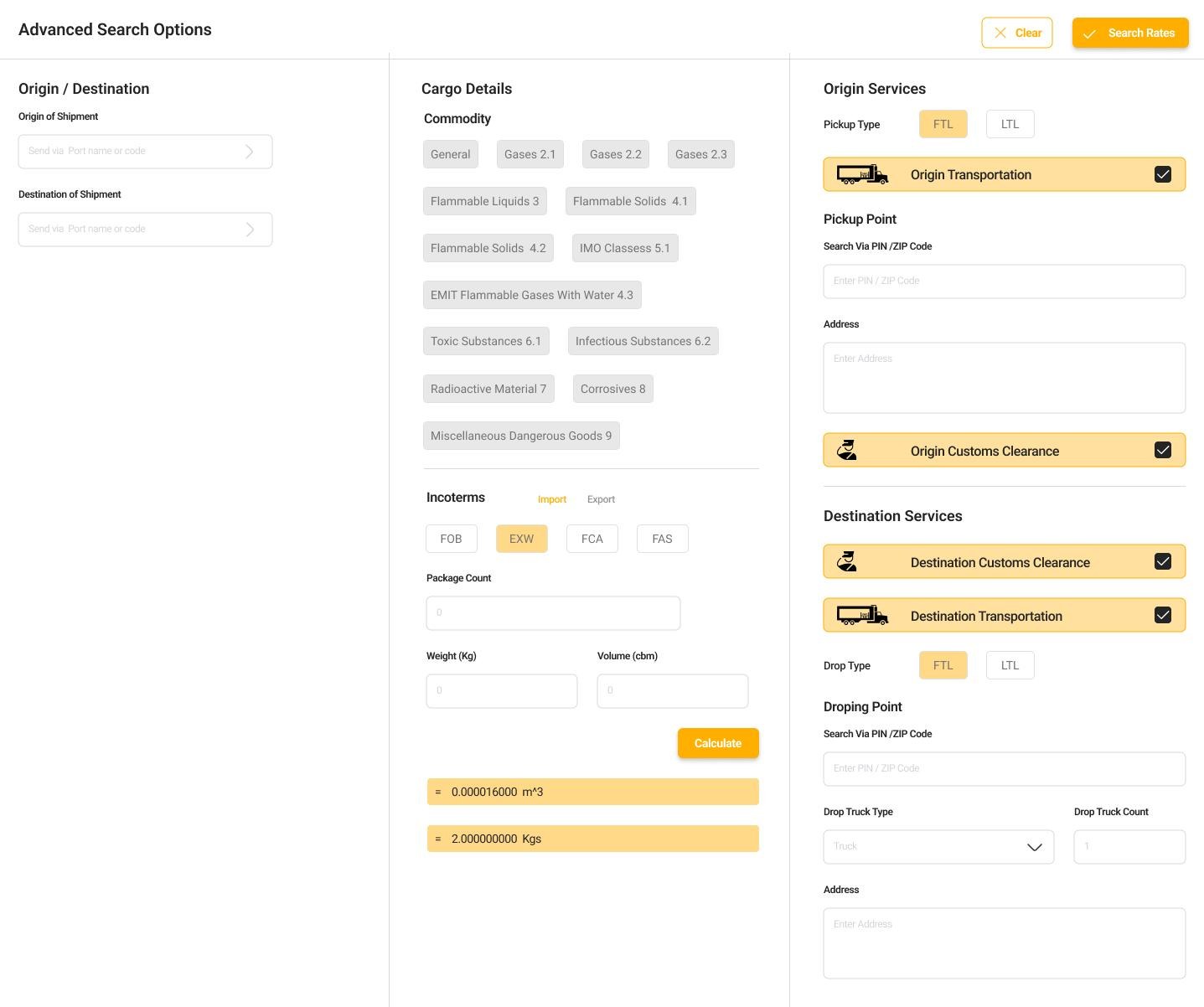
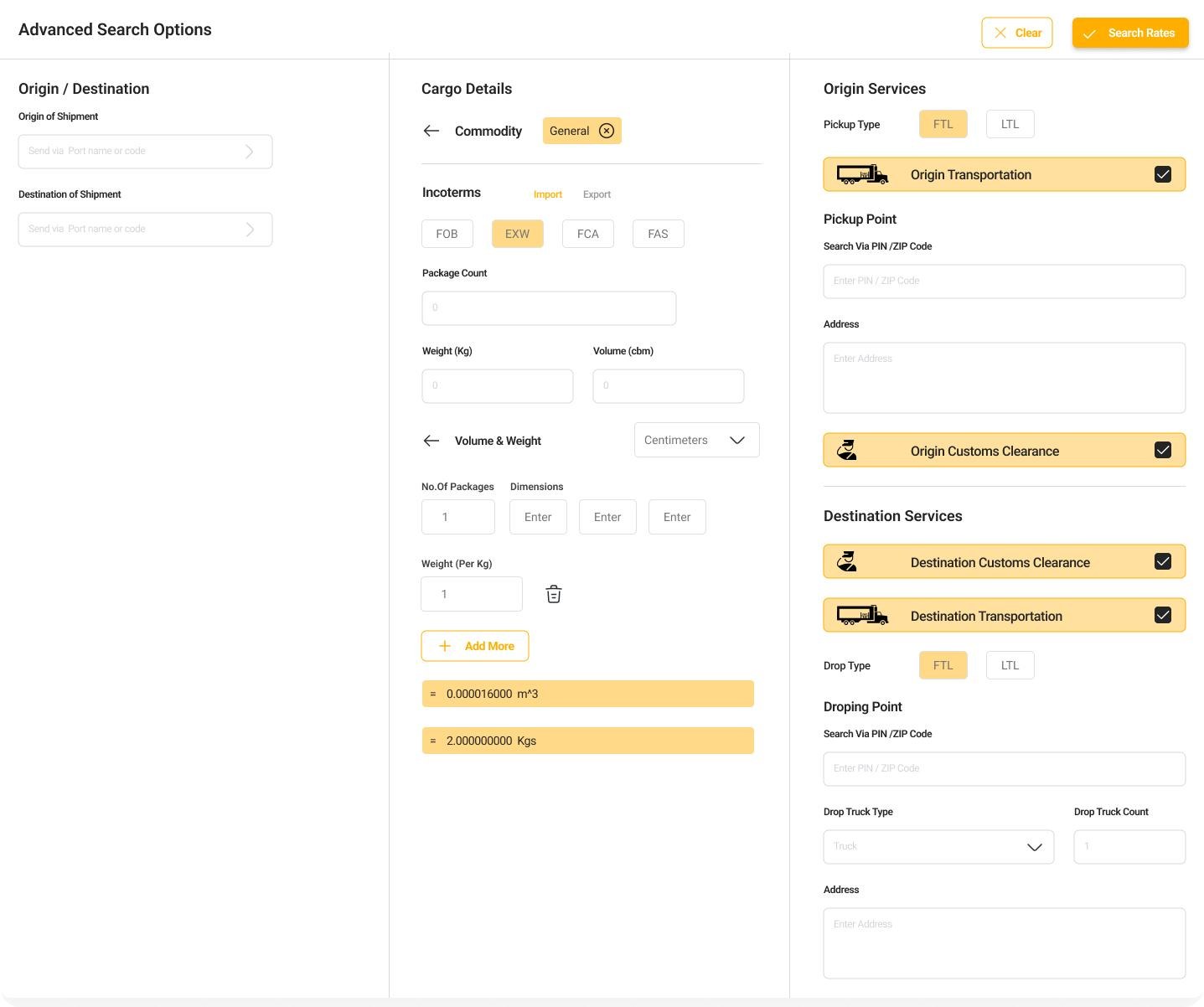
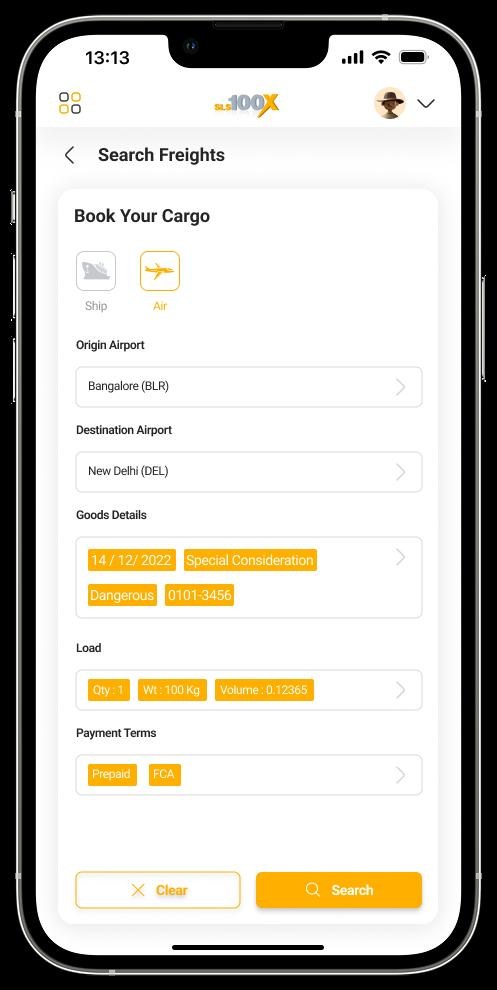
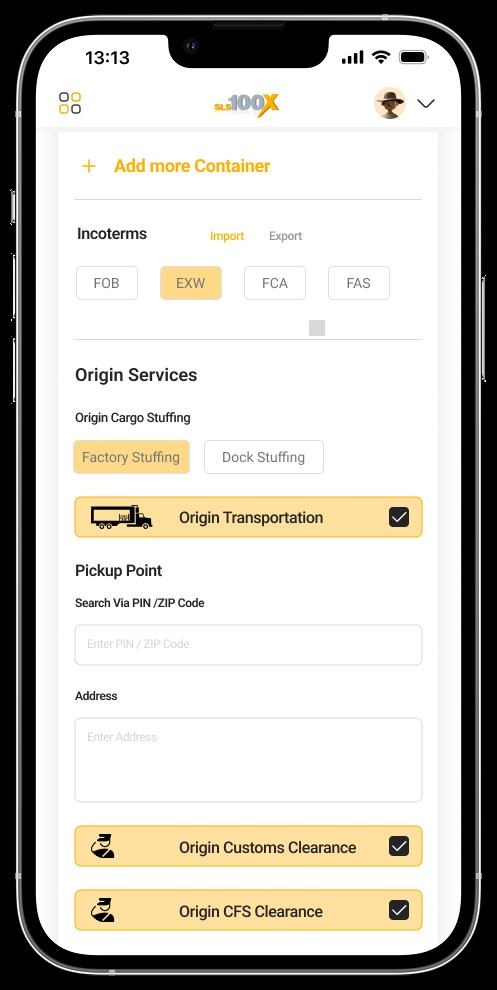
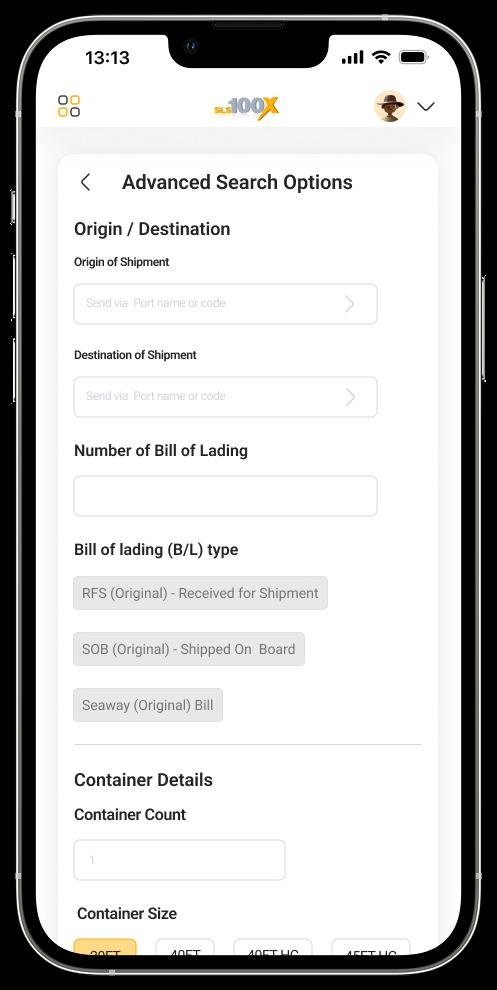
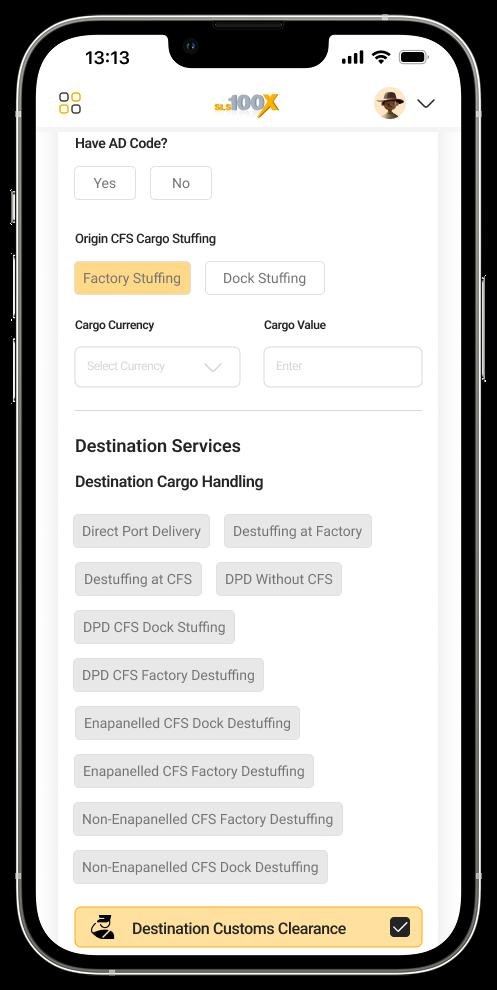
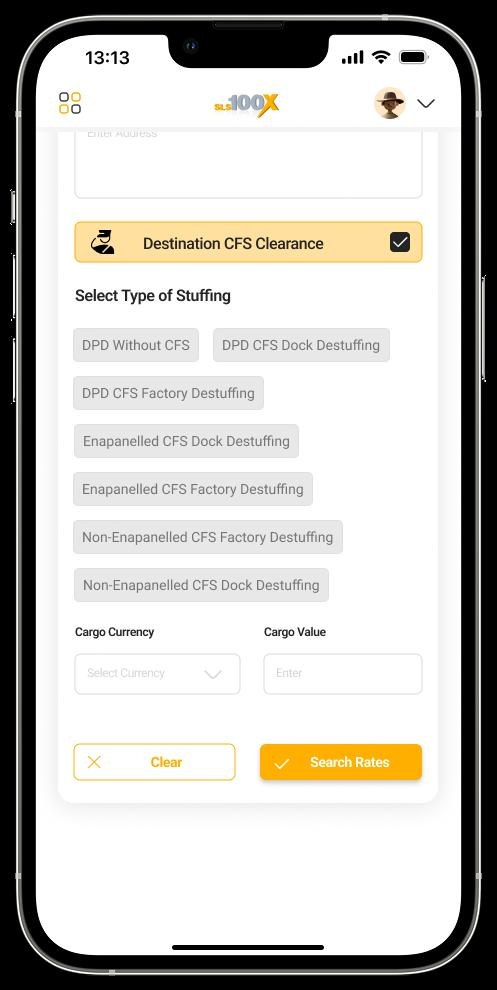
- Dynamic form — reads shipment category and mode, then reveals only the fields that apply. The same screen carries a six-field domestic booking and a twenty-two-field international commercial shipment.
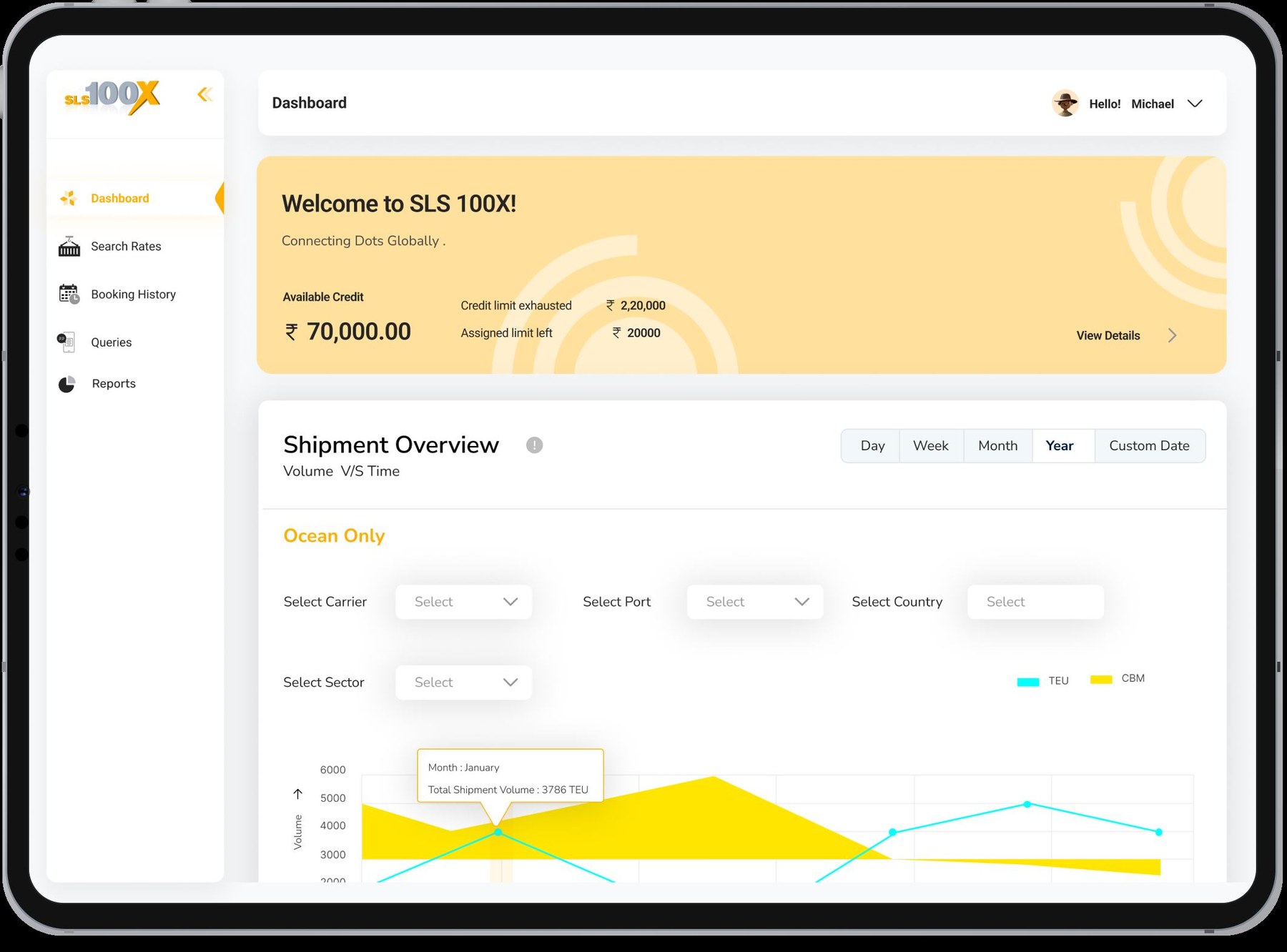
- Customer dashboard — opens with shipments that need a decision (awaiting pickup, held at customs, documents required); everything else is one click deeper.
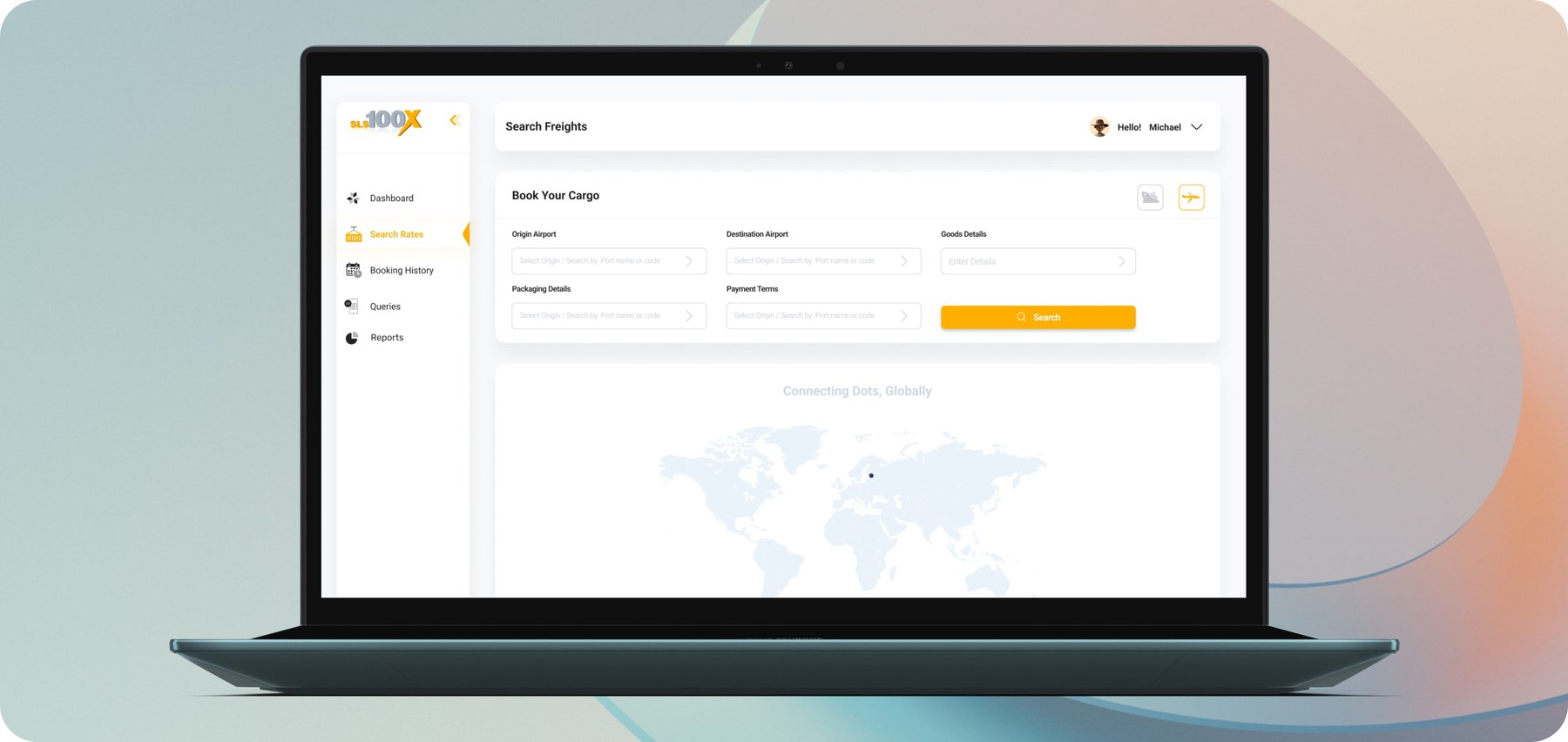
- Cross-platform — a responsive webapp with a phone adaptation for app users, on one component system.
Outcome
- Booking time: ~40 min manual phone booking → self-serve in up to 25 min, higher for first-timers.
- Signed off without a revision round. Rolled out on land freight, then extended to water and air on the same architecture.
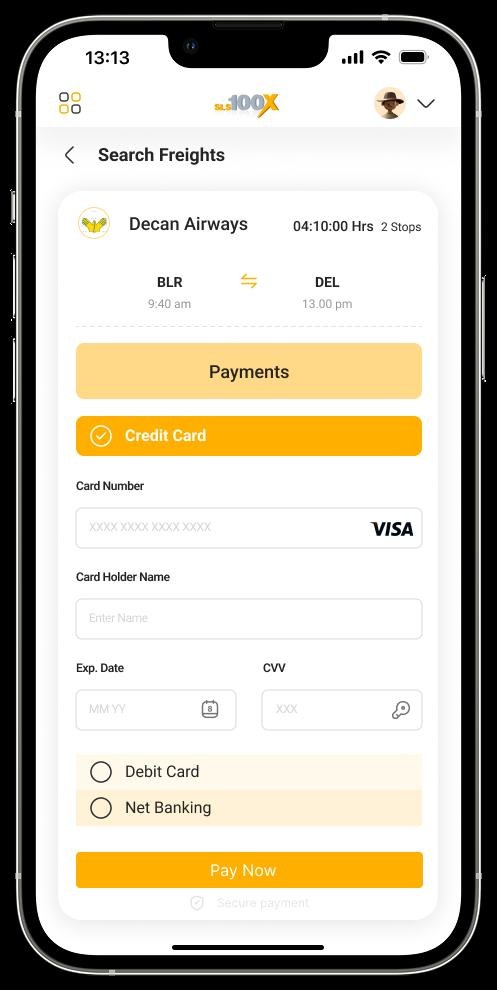
- SLS Pay Later preserved the credit model — the reason enterprise customers switched from manual arrangements.
- The dynamic-form pattern became the framework for every subsequent shipment class, adopted for local, national and international operations.
What I’d change next time
- Invest in user flow earlier — skipping it saved two weeks in the MVP but cost time in v2 when edge cases surfaced against real data.
- Design the multi-provider selection screen first, not last — rate comparison is where the platform’s value is most visible.
- Test with a real regular customer before shipping — colleagues were blind to what a shipper sending fifty parcels a month needs.
Gallery