Edge — Banking at the Last Mile
A full-stack UPI wallet paired with a Bluetooth micro-ATM — letting any local shop become a banking point for its community.
Overview
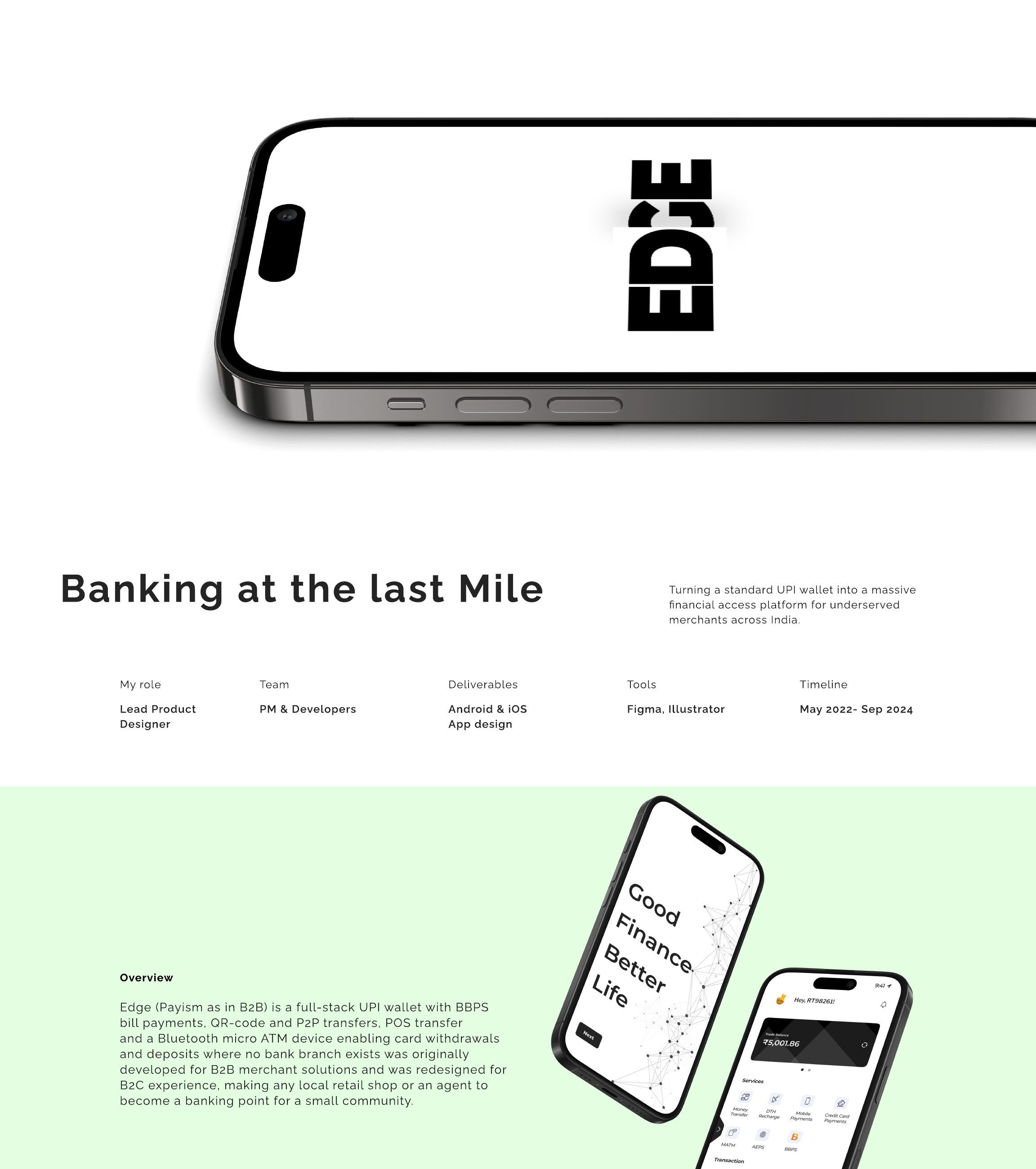
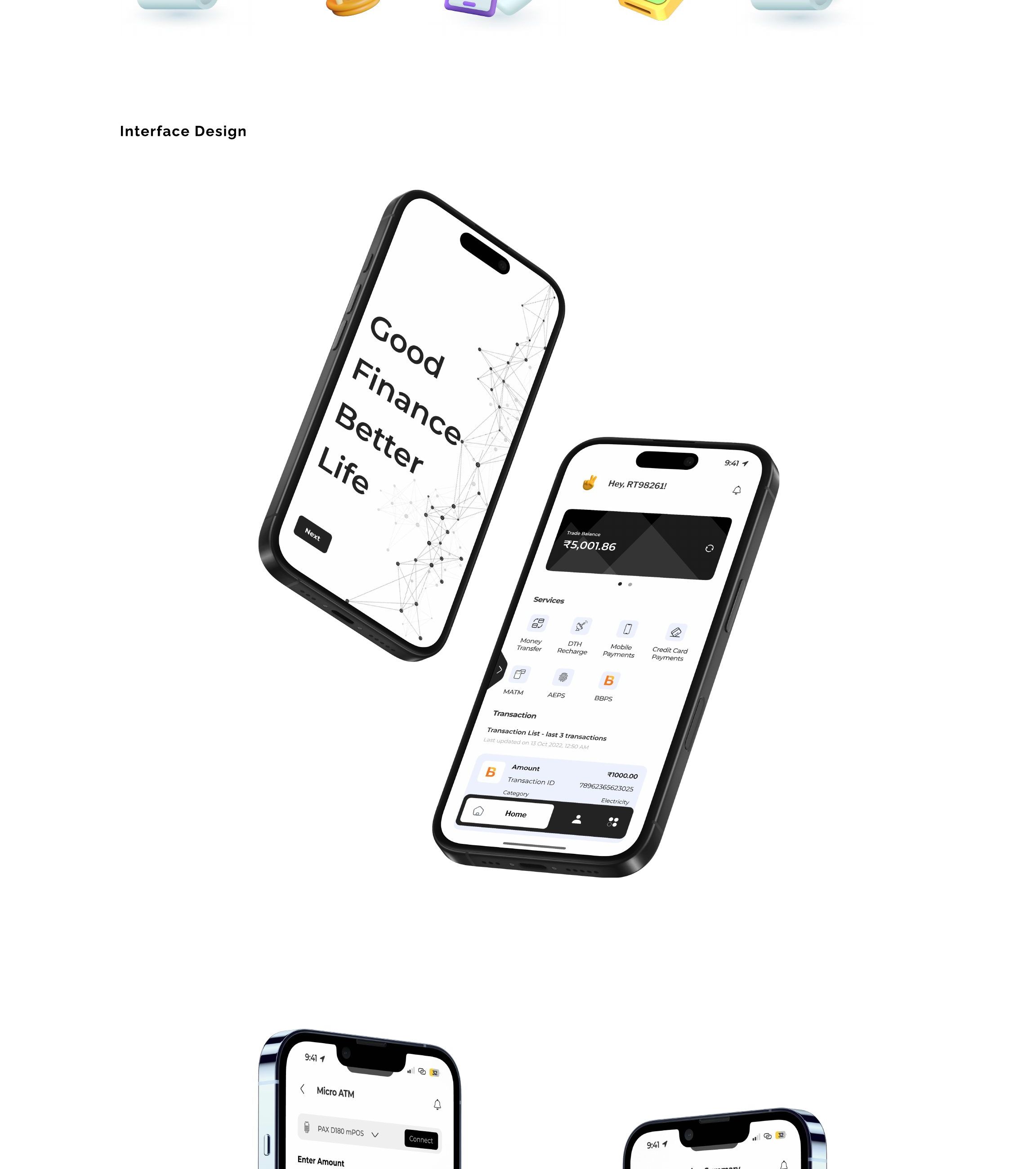
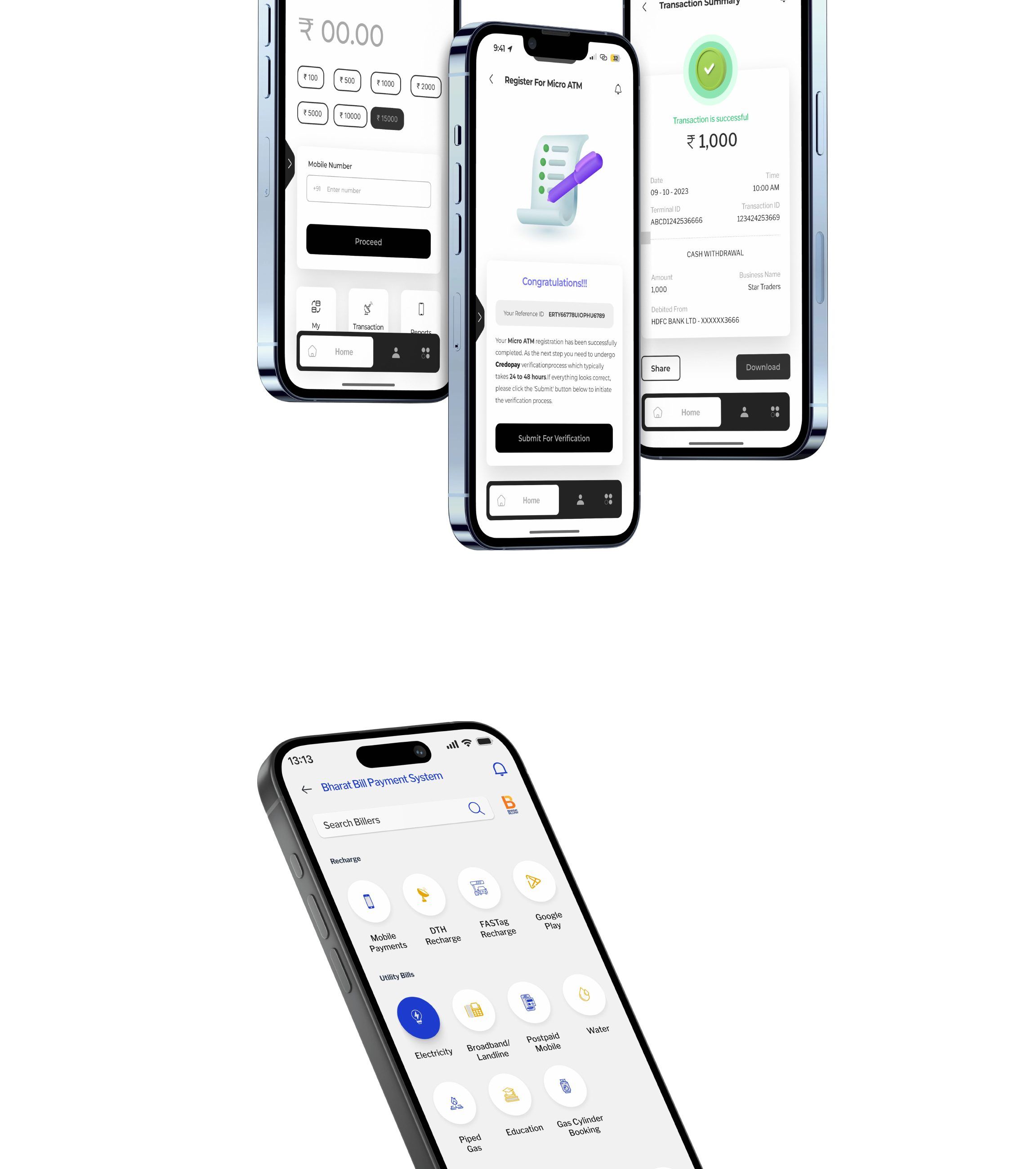
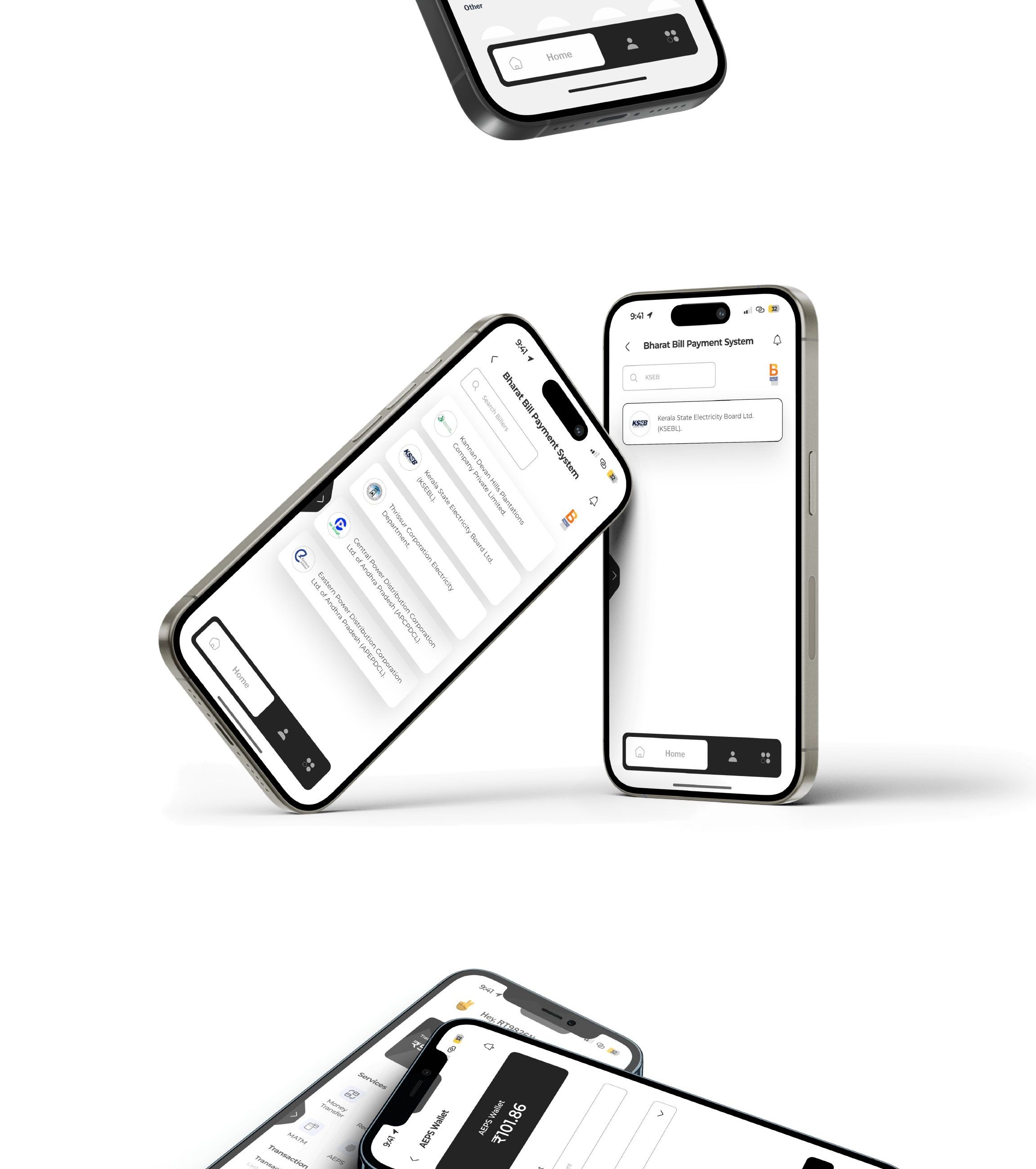
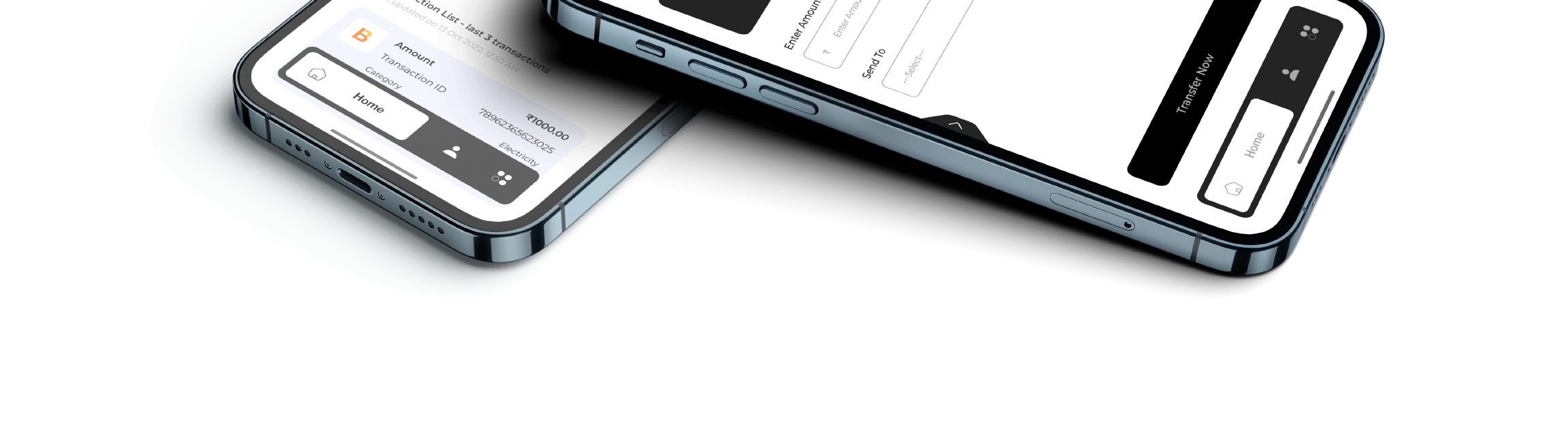
Edge (by Payism) is a full-stack UPI wallet — bill payments, QR and P2P transfers, AEPS — plus a Bluetooth micro-ATM enabling card withdrawals and deposits where no bank branch exists. Originally built as a B2B merchant tool, it was redesigned for a B2C experience so any kirana store or agent could become a banking touchpoint for a small community.
Problem & opportunity
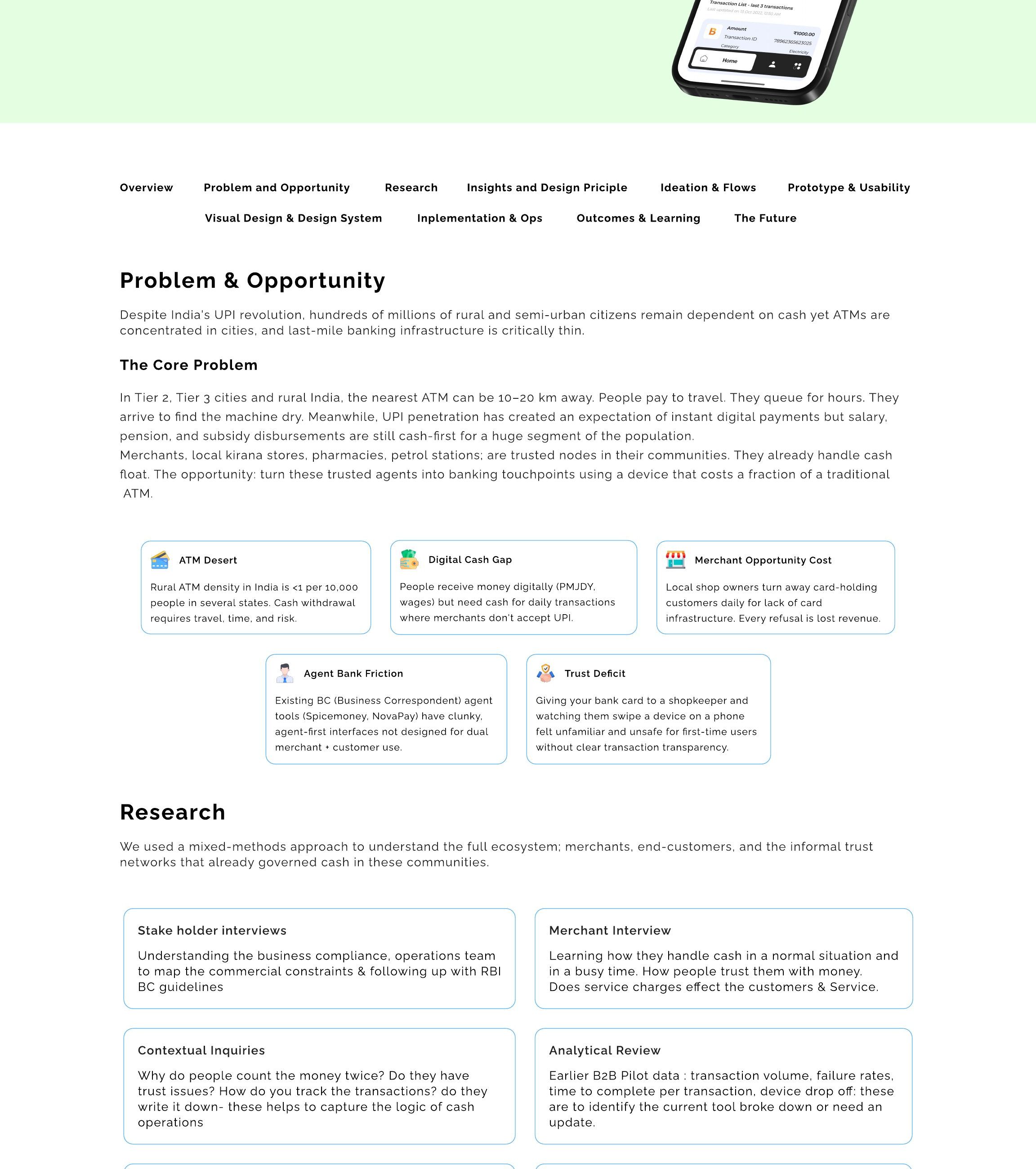
In Tier-2, Tier-3 and rural India the nearest ATM can be 2–20 km away: people pay to travel, queue for hours, and often arrive to find the machine dry. Meanwhile salaries, pensions and subsidies still need to land as cash. Merchants are already trusted nodes holding cash float — the opportunity was to turn them into banking points using a device that costs a fraction of an ATM.
Research
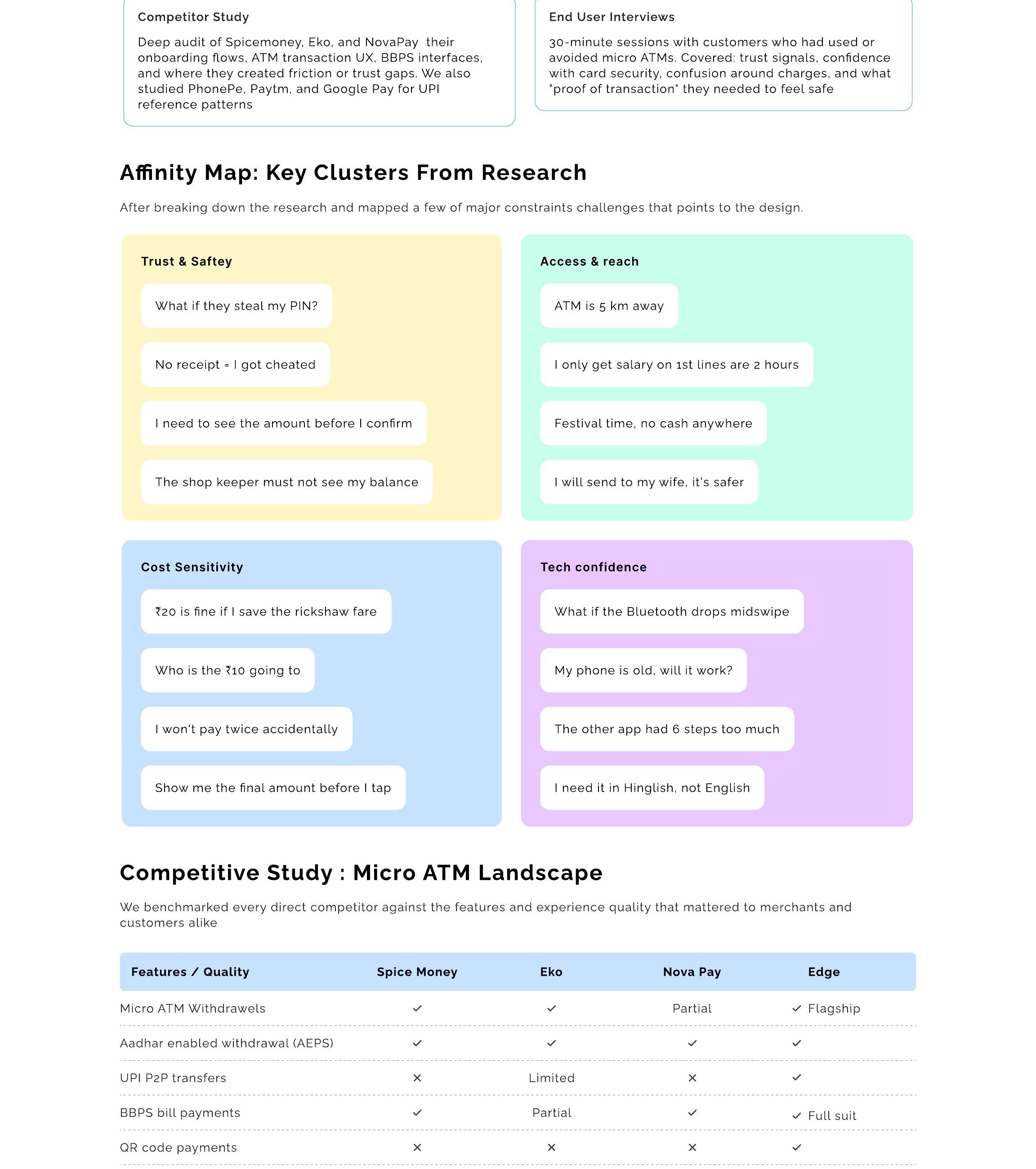
- Merchant and end-user interviews (30-min sessions) with people who had used or avoided micro-ATMs.
- Contextual inquiries inside busy kirana stores to capture the real logic of cash handling and trust.
- Stakeholder interviews with business, compliance and ops, mapped against RBI guidelines.
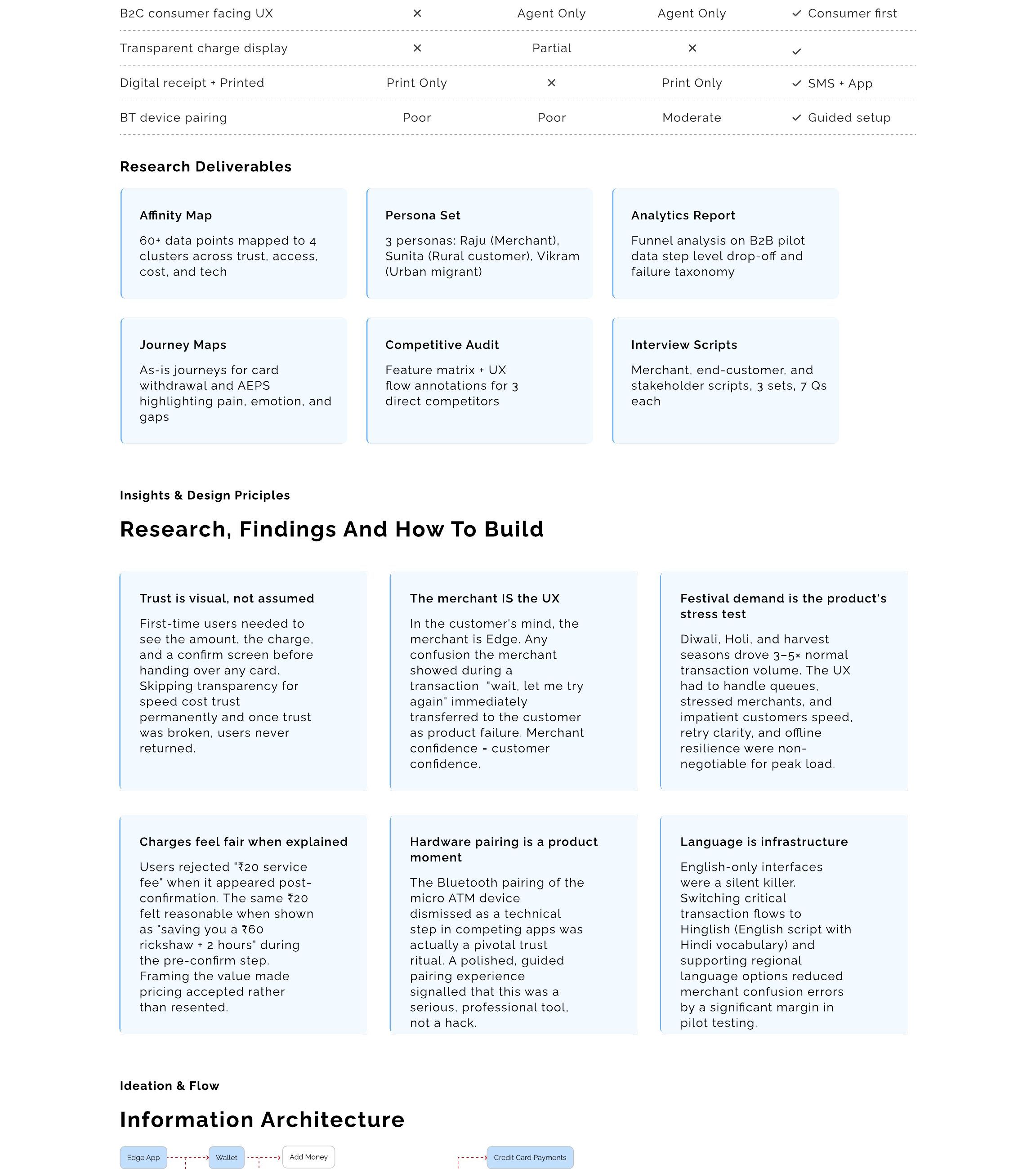
- Competitive audit of Spicemoney, Eko and NovaPay, plus UPI reference patterns from PhonePe, Paytm and GPay.
- Analytics review of pilot data — volume, failure rates, time per transaction, device drop-off.
Design principles
- Trust is visual, not assumed — show amount, charge and a confirm screen before any card is handed over.
- The merchant IS the UX — merchant confidence during a transaction becomes customer confidence.
- Charges feel fair when explained — ₹20 framed against a ₹60 rickshaw fare and two lost hours is accepted, not resented.
- Language is infrastructure — Hinglish and regional options cut merchant confusion and errors in pilot testing.
- Hardware pairing is a product moment — guided Bluetooth pairing signals a serious, professional tool.
- Festival demand is the stress test — Diwali and harvest peaks drove 3–5× volume, so speed, retry clarity and offline resilience were non-negotiable.
Prototype & usability testing
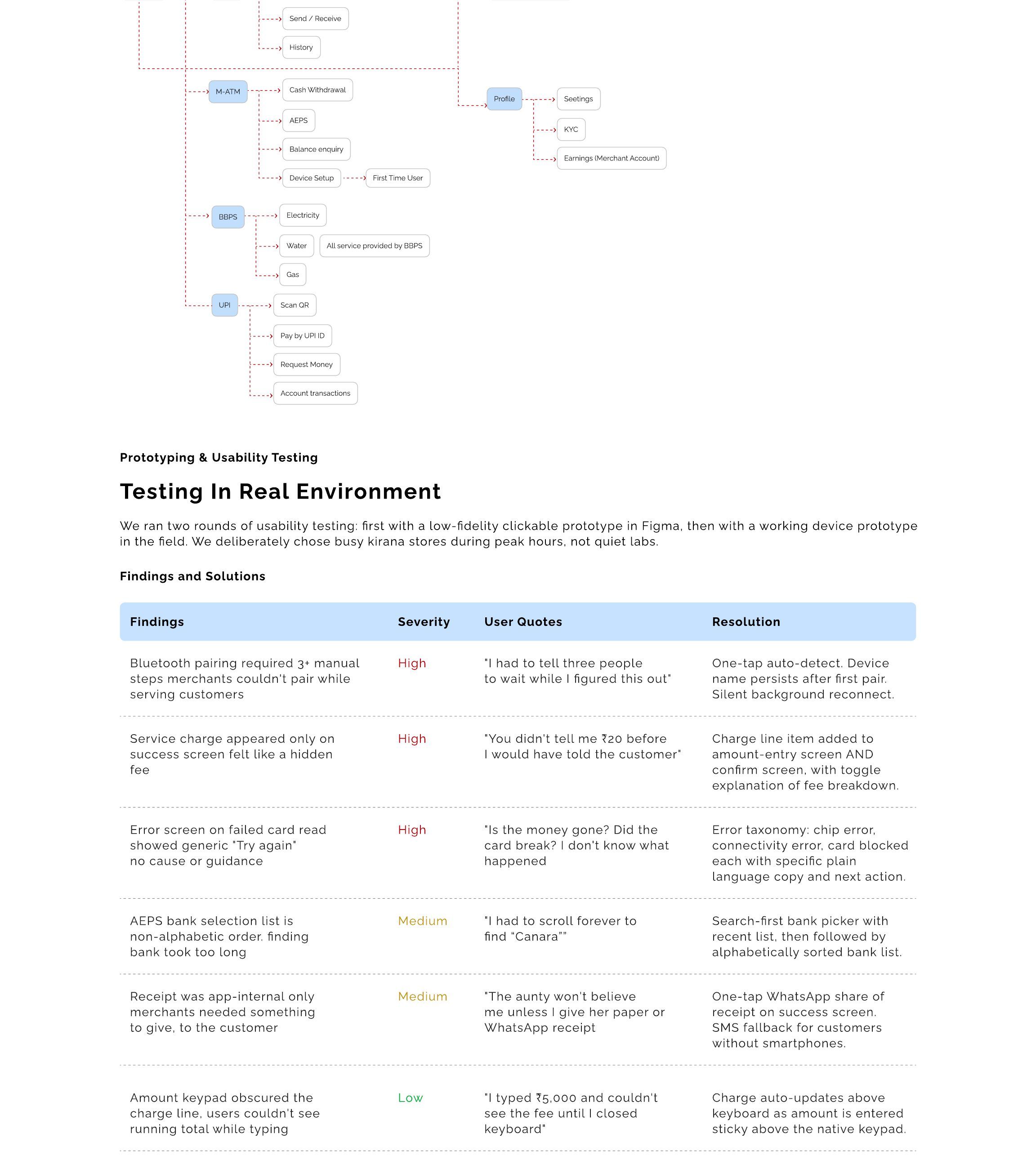
Two rounds — a low-fidelity clickable Figma prototype, then a working device prototype tested in busy kirana stores at peak hours rather than quiet labs.
What testing changed
- Bluetooth pairing reduced to one-tap auto-detect with silent background reconnect.
- Service charge moved to the amount-entry and confirm screens with a breakdown toggle — no more end-of-flow surprise.
- A proper error taxonomy (chip error, connectivity, card blocked) with plain-language copy and a clear next action.
- Search-first bank picker with recents, then an alphabetically sorted list for AEPS.
- Charge line kept visible above the keypad so the running total is never hidden.
Design system
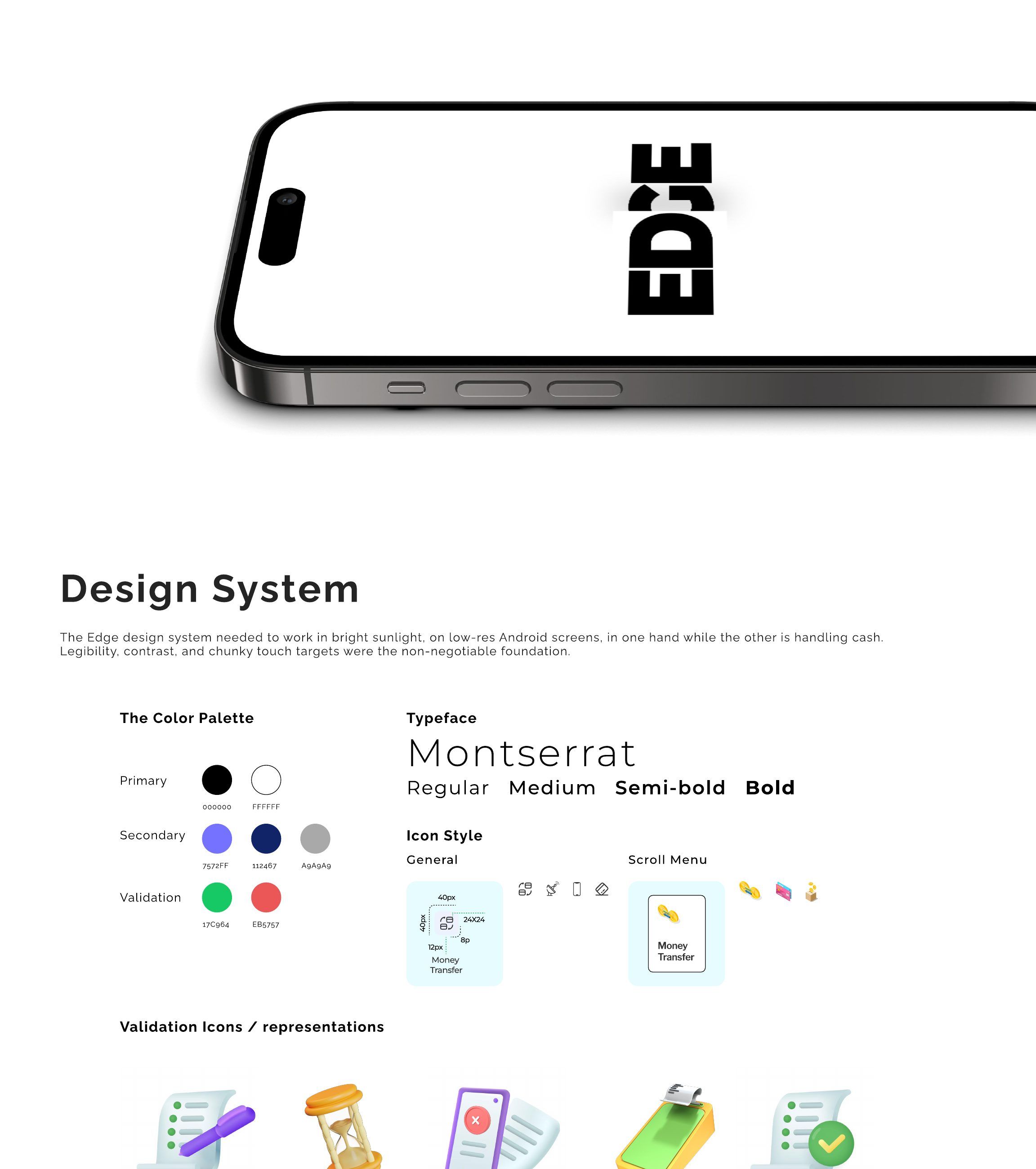
Built for bright sunlight, low-res Android screens and one-handed use while the other hand handles cash — Montserrat, high-contrast primaries, chunky 40px touch targets, and a validation icon set that reads at a glance.
Gallery
Open Edge — Banking at the Last Mile in the interactive gallery →